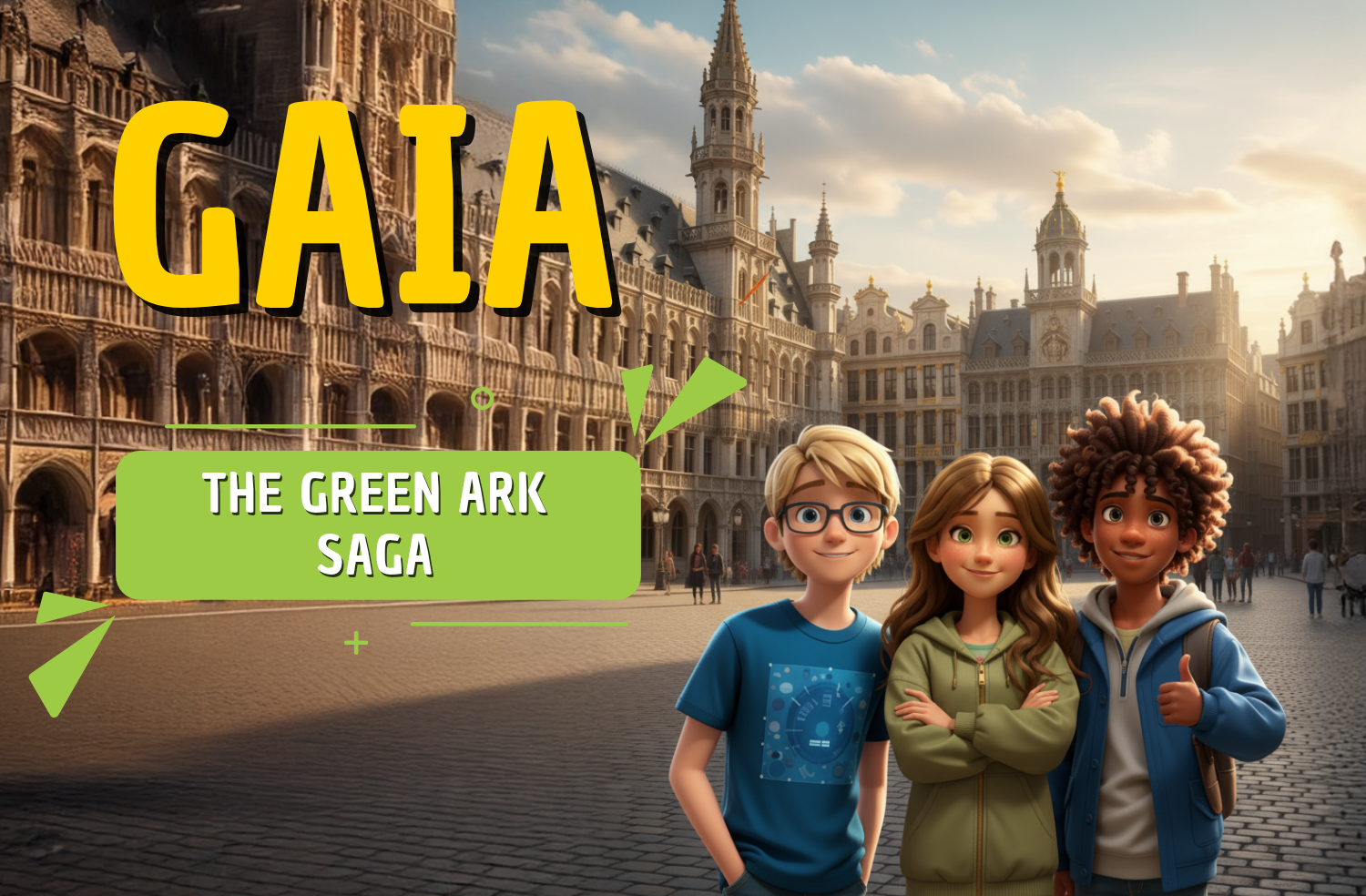
I am starting to write the second book in the Gaia saga. And this time, the keyword is empathy.
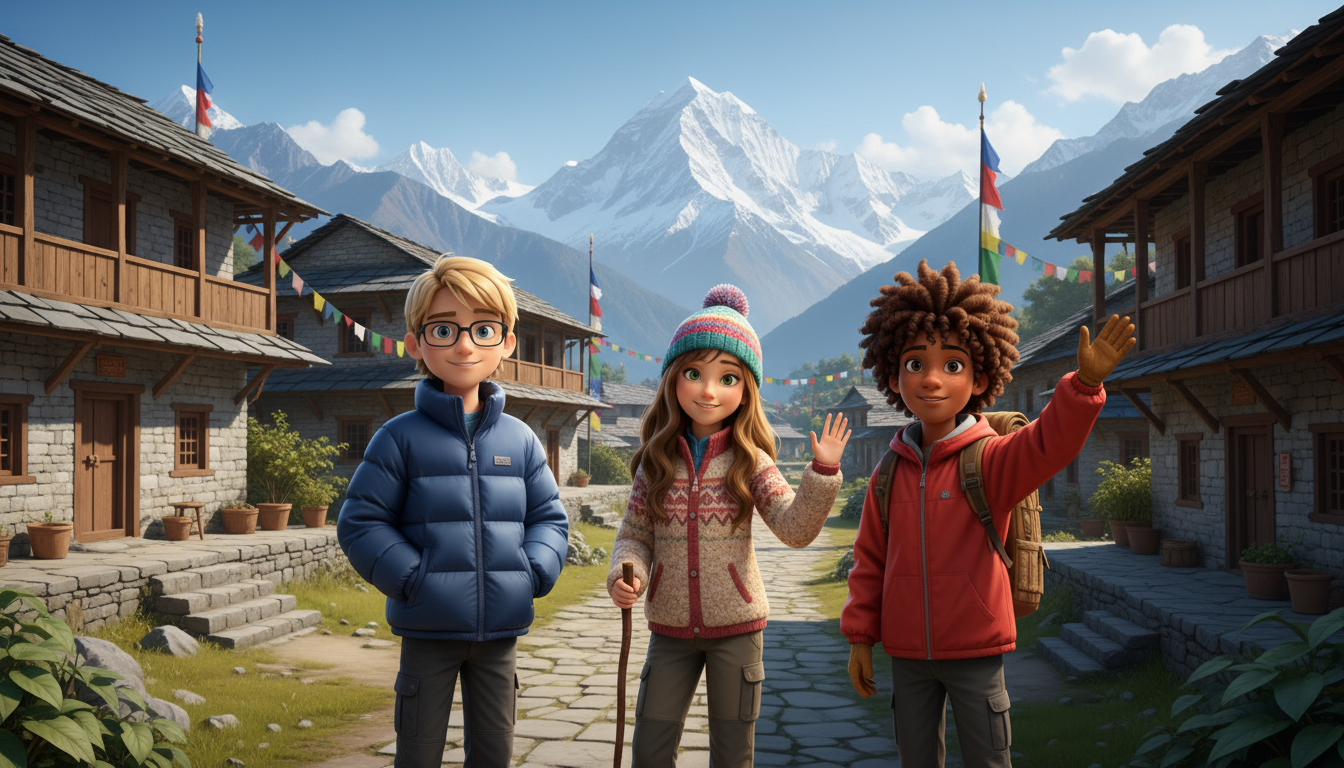
After the Amazon, Gaia’s new vision takes us far away, to the foot of a glacier in Nepal. A glacier that is retreating. A glacier that is changing the fate of an entire village.
Writing this second book means tackling one of the most delicate — and most powerful — steps in design thinking: putting yourself in someone else’s shoes.
In the first book, Discover, the goal was to observe, gather clues, and realise that something was wrong. Here, the next step is more profound: understanding who is involved, how they feel, what they are losing, what they fear.
The shrinking glacier is not just an environmental problem. It is a social problem. Because when water becomes scarce, not everyone suffers in the same way.
In the Nepalese village where Gaia, Alex and Noah meet, the lack of water opens up a divide: between those who can afford it and those who cannot, between those who are heard and those who remain invisible.
And this is where the characters — and readers — are called upon to make a different choice than usual.
Alex, with his data and measurements, can explain the phenomenon. Noah, with his ability to listen, can feel the pain of people, plants and animals. Gaia, as leader, must hold everything together and decide where to start.
This game book does not ask: what is the quickest solution? But rather:
- Who are we really helping?
- Do we understand the problem from their point of view?
- Are we designing for people or instead of people?
For me, writing Gaia in Nepal means reaffirming a deep conviction that also guides Junior Design: there is no good problem solving without empathy.
Teaching design thinking to children aged 8 to 12 means training them not only to come up with ideas, but to look at the world through different eyes, to ask better questions, to recognise complexity.
If we want adults who are capable of designing a more just and sustainable future, we have to start here. With listening. With empathy. With stories.
Gaia’s journey continues. And with her, our way of teaching how to think also continues.